The complete beginner’s guide to Metal Casting processes
Wiki Article
The Vital Functions of a Steel Shop: Provider and Innovations Explained
Metal factories act as essential components in the manufacturing industry, focusing on the conversion of basic materials into precise steel items. They utilize diverse spreading strategies, offering important solutions such as machining and prototyping. Technologies in technology and sustainability better enhance their capabilities - Aluminum Casting. Comprehending these features and advancements discloses the substantial function of factories fit contemporary production. What specific innovations are driving these adjustments, and exactly how do they effect total production efficiency?Summary of Metal Shop Procedures
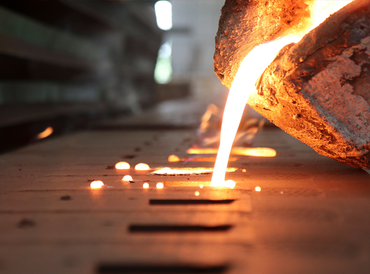
The following stage entails melting, where the alloys are heated up in heaters till they get to a liquid state. This molten metal is then meticulously put right into mold and mildews created to shape the end product. After cooling, the solidified steel is removed from the mold and mildews, complied with by a series of completing operations such as grinding, polishing, or machining to accomplish accurate measurements and surface top qualities.
Throughout these processes, high quality control is necessary to ensure that the generated components satisfy sector standards and specifications, ultimately resulting in trusted and sturdy steel products.
Casting Methods and Their Applications
Different casting strategies are used in metal foundries to develop components with specific forms and properties. Amongst the most common strategies are sand spreading, investment spreading, and die casting. Sand casting uses sand molds, making it versatile and economical for huge components. Financial investment spreading, recognized for its accuracy, involves developing a wax pattern coated in a ceramic shell, perfect for detailed forms and smaller sized parts. Die casting, which utilizes high-pressure to require molten metal right into molds, is reliable for automation of complicated geometries.These techniques offer various applications throughout markets, consisting of automobile, aerospace, and machinery. Each approach provides distinct benefits depending upon the preferred material properties, cost factors to consider, and production quantity. Subsequently, steel factories select one of the most ideal spreading method based on task demands, ensuring the last products meet rigorous top quality and performance standards. This variety in casting approaches emphasizes the innovative capabilities of modern-day metal factories
Machining Services in Metal Foundries
While casting techniques lay the structure for element production, machining services in steel factories play an important function in refining and ending up these components. Machining encompasses various processes such as milling, transforming, drilling, and grinding, ensuring that cast parts satisfy specific specifications and resistances. This action is important for enhancing the mechanical residential or commercial properties and surface coating of the final item.Shops use innovative CNC (Computer Numerical Control) equipments to achieve high levels of precision and repeatability. These innovations permit for complex geometries and detailed styles to be understood properly. In addition, machining solutions can be tailored to fit various products, consisting of non-ferrous and ferrous steels, thereby widening the factory's abilities.
Ultimately, machining solutions not only add to the general quality and capability of actors parts yet additionally play a crucial duty in boosting and decreasing lead times efficiency in the manufacturing procedure.
Prototyping and Its Importance in Production
Prototyping plays a vital function in manufacturing by enabling the evaluation of layout ideas prior to full-scale manufacturing. Various strategies, such as 3D printing and CNC machining, allow makers to create accurate representations of final products. This practice significantly improves production efficiency by determining prospective issues early while doing so.Advantages of Prototyping
In the domain name of manufacturing, the advantages of prototyping expand much beyond mere graph, offering as a crucial action in the item advancement procedure. Prototyping enables engineers and developers to test principles, determine design imperfections, and examine functionality prior to mass production. This repetitive method reduces the danger of costly mistakes and helps improve styles based on real-world comments. Additionally, models help with better interaction among stakeholders, making certain that every person has a clear understanding of the intended end product. By accelerating the advancement timeline, prototyping also allows manufacturers to react quickly to market needs, eventually enhancing competitiveness. To sum up, the advantages of prototyping are essential for attaining effective, reliable, and innovative manufacturing outcomes.Strategies Made Use Of in Prototyping
The performance of prototyping counts heavily on the methods used throughout the procedure. Numerous methods such click for info as additive manufacturing, CNC machining, and sand spreading are frequently utilized to create models in steel foundries. Additive manufacturing, or 3D printing, permits for the quick production of intricate geometries, promoting design models. CNC machining gives precise control over dimensions, making certain that models meet precise specs. Sand spreading, on the various other hand, is valuable for creating larger models with complex designs, using molds to form liquified steel. Each method brings unique advantages, enabling shops to choose the most appropriate technique based on job needs. Eventually, the option of prototyping method plays an important function in refining designs and advancing item advancement.Influence On Production Performance
Although often overlooked, reliable prototyping substantially enhances manufacturing effectiveness in manufacturing procedures. By permitting producers to examine and improve styles prior to full-scale manufacturing, prototyping reduces mistakes and minimizes expensive rework. This repetitive strategy allows the recognition of potential style imperfections early, guaranteeing that the end product meets requirements and performance standards. Prototyping assists in far better interaction among group members, as physical versions or simulations offer tangible recommendations for discussion and comments. As a result, production timelines reduce, and resource allocation ends up being much more reliable. In a competitive market, the capacity to introduce rapidly while maintaining top quality is important, making prototyping a vital element in the production landscape, specifically within steel foundries where precision is vital.Advancements in Steel Shop Technologies
Innovations in metal factory modern technologies have substantially changed the sector, especially with sophisticated casting techniques and the combination of automation visit the site and robotics. These improvements improve efficiency, precision, and the total high quality of metal products. As the demand for much more complex layouts and faster manufacturing times boosts, these innovations are ending up being important for competitive factories.Advanced Casting Techniques
As metal factories remain to develop, sophisticated casting strategies arise as essential advancements that boost manufacturing performance and material residential or commercial properties. Strategies such as investment spreading, shed foam casting, and 3D printing are transforming the industry by enabling more intricate designs and decreasing material waste. Financial investment spreading, recognized for its accuracy, enables manufacturers to produce intricate geometries with marginal machining called for. Metal Foundry. Lost foam casting provides similar advantages, utilizing a foam pattern that evaporates throughout the pouring process, causing superb surface finishes. Additionally, 3D printing is changing prototyping and tiny set production, enabling quick style iterations and modification. Jointly, these sophisticated approaches not just improve production however also enhance the total quality and efficiency of cast steel productsAutomation and Robotics
Automation and robotics have actually ended up being indispensable components of contemporary metal shop procedures, driving significant improvements in performance and accuracy. Automated systems streamline various procedures, from product taking care of why not try this out to casting and completing, minimizing the dependence on manual work. This change permits for enhanced manufacturing prices and consistent high quality, as robotics perform recurring tasks with high precision. Additionally, automation enhances security by decreasing human exposure to unsafe settings. Developments such as Artificial Knowledge and equipment knowing are being incorporated right into these systems, making it possible for anticipating upkeep and optimizing operations. As factories embrace these innovations, they not just enhance functional efficiency but likewise minimize waste and power consumption, placing themselves competitively in a swiftly developing market.Sustainable Practices in Metal Foundries
While the steel shop market has typically been related to high power intake and ecological influence, several centers are currently welcoming lasting techniques to reduce these impacts. One considerable technique entails the recycling of scrap steel, which decreases waste and saves raw products. By implementing closed-loop systems, shops can decrease water use and boost power performance with heat recuperation innovations.The adoption of cleaner innovations, such as electric heaters, has come to be much more widespread, reducing greenhouse gas exhausts. Shops are also discovering alternate energy resources, including solar and wind power, to lower reliance on fossil gas.
Additionally, workforce training programs concentrated on sustainability practices assist grow a culture of ecological duty. These campaigns not only improve functional efficiency however additionally straighten with expanding consumer need for eco-friendly production. Jointly, these lasting techniques setting steel factories as even more liable contributors to commercial progress.
Often Asked Inquiries
What Materials Are Frequently Made Use Of in Metal Factories?
Steel factories generally utilize products such as iron, light weight aluminum, brass, and steel for casting processes. These metals give the required residential or commercial properties for different applications, making sure stamina, longevity, and resistance to environmental factors in finished products.How much time Does the Steel Casting Refine Generally Take?
The metal casting process generally takes numerous days to weeks, depending on elements such as dimension, intricacy, and manufacturing quantity. Each stage, including pattern making, mold preparation, and cooling, contributes to the overall timeline.What Are the Security Actions in Steel Shops?
Precaution in metal foundries include individual protective equipment, correct ventilation systems, regular safety training, risk communication, and emergency reaction protocols. These techniques intend to reduce risks connected with high temperatures, hefty equipment, and harmful materials.Exactly How Do Foundries Ensure Quality Control in Their Products?
Foundries assure quality assurance by executing extensive testing methods, including dimensional evaluations, product evaluation, and monitoring production processes. Additionally, they comply with market standards and carry out normal audits to preserve consistency and dependability in their products.What Industries Greatly Rely Upon Metal Shop Providers?
Different industries heavily count on metal foundry solutions, consisting of automobile, aerospace, production, and construction. These fields rely on factories for producing premium steel components crucial for machinery, automobiles, structures, and numerous industrial applications.Metal shops serve as vital parts in the manufacturing market, specializing in the conversion of raw materials into specific metal products. Metal factory procedures include a collection of elaborate steps that change raw materials into finished steel items. Numerous casting methods are utilized in steel shops to develop components with particular shapes and homes. Steel shops pick the most suitable spreading strategy based on task requirements, making certain the final items satisfy rigid quality and performance criteria. As steel shops continue to develop, advanced casting methods arise as essential innovations that enhance manufacturing performance and product residential properties.
Report this wiki page